How Much Is Your Home Worth?

Contact
Realty Austin Compass
License #: 9006927
License #: 268528
4646 Mueller Blvd Unit 1052 , Austin, TX, 78723

Paying For Your Buyer's Closing Costs?
If you're getting ready to sell your home in Mueller or anywhere in the Austin metro, I want to have an honest conversation with you about something that's showing up in negotiations more and more: buyer closing cost concessions.
A few years ago, sellers could practically write their own rules. No repairs, no negotiating, no concessions - buyers had to take it or leave it. But the market has shifted, inventory has grown, and that playbook doesn't work the same way anymore. If you want to sell your home quickly and cleanly, understanding when and how to offer a closing cost concession could be the smartest move you make.
Let me break it down for you.
First, What Exactly Are Buyer Closing Costs?
Closing costs are the fees and expenses buyers pay at the closing table - on top of their down payment. According to Freddie Mac, these typically include:
Loan origination fees
Appraisal and home inspection costs
Title and attorney fees
Survey fees and prepaid expenses
In practice, buyer closing costs generally run between 2% and 5% of the home's purchase price. On a $400,000 home, that translates to $8,000–$20,000 in upfront cash. This is money that many buyers are scrambling to come up with even when they can comfortably cover the monthly mortgage payment itself.
That gap between "can afford the monthly payment" and "can afford the upfront costs" is exactly why more buyers are asking sellers to pitch in - and why more sellers are saying yes.
On a $400,000 home, buyer closing costs can run anywhere from $8,000 to $20,000 out of pocket. That's a real barrier for many qualified buyers - and a real opportunity for flexible sellers.
Why More Sellers Are Offering Concessions in 2025
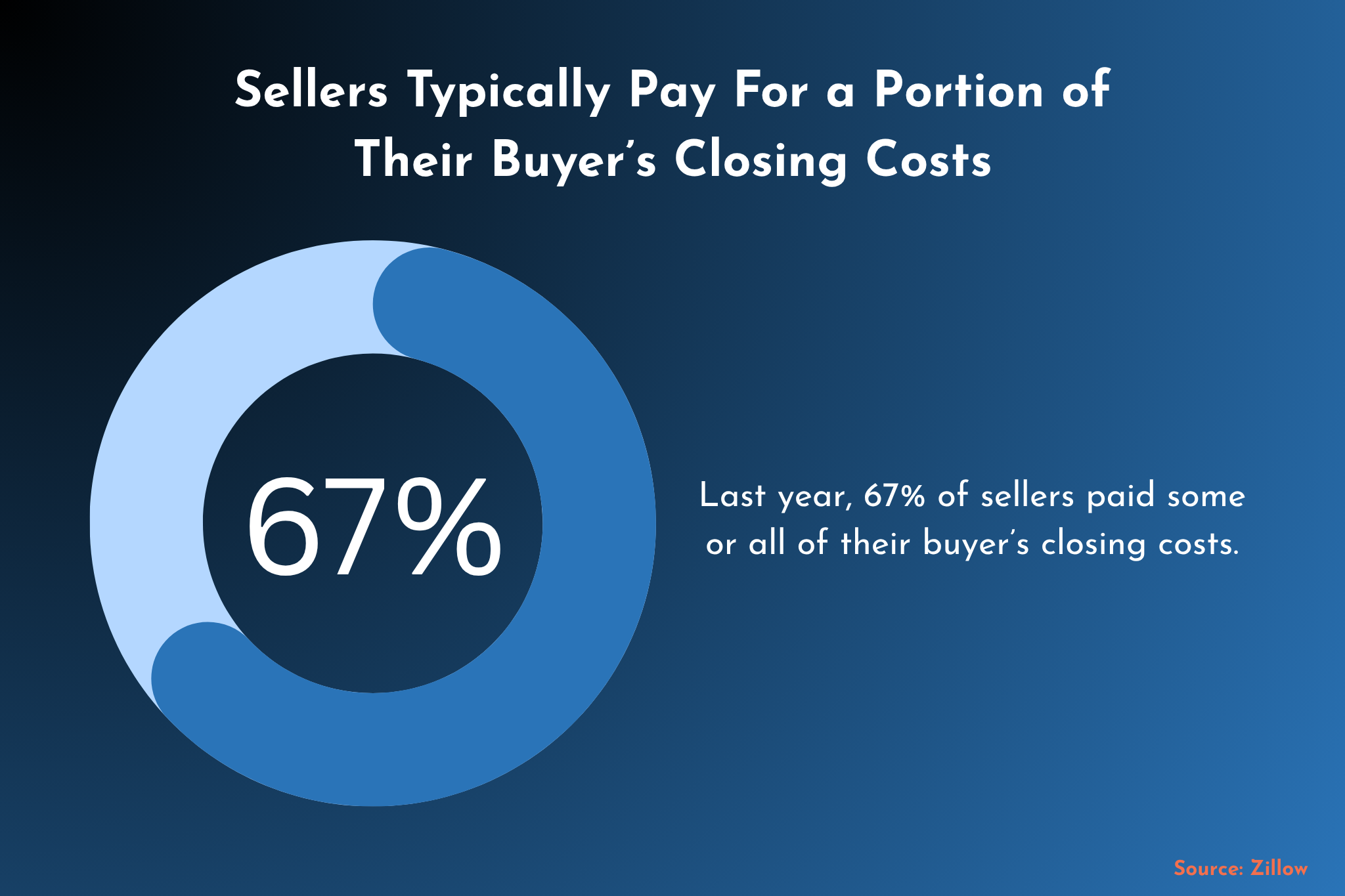
The numbers tell the story. According to Zillow's 2025 data, approximately 67% of sellers reported paying some or all of their buyer's closing costs last year. That's a significant majority - and a strong signal that the negotiating landscape has changed.
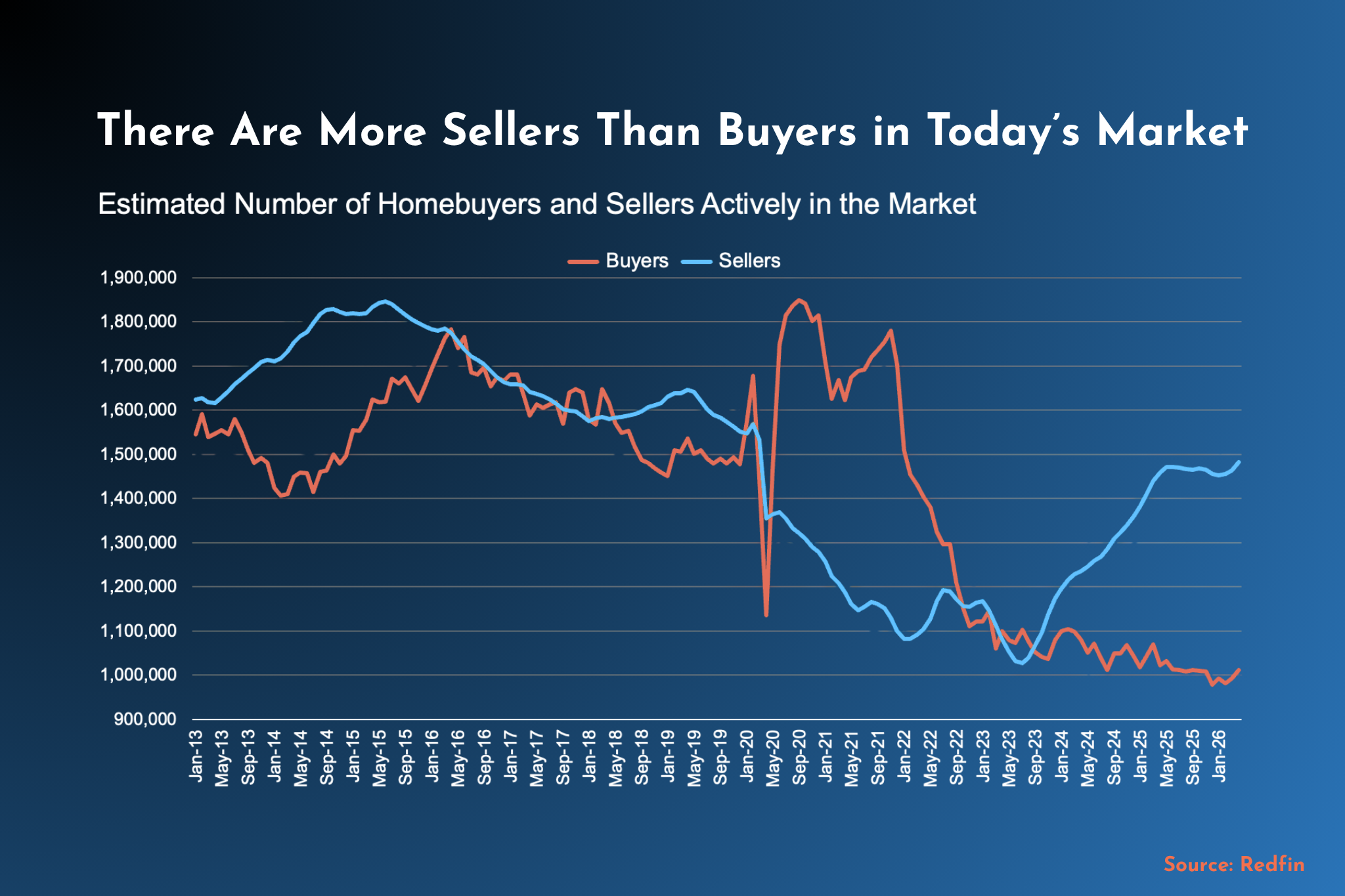
Meanwhile, other data shows that the number of active sellers continues to outpace active buyers in many markets, giving buyers meaningful leverage for the first time in years. Now, that doesn't mean every market skews toward buyers. Austin and Mueller remain competitive pockets, but it does mean sellers who enter negotiations with a rigid mindset often end up sitting on their listings longer than they'd like.
I talk about this shift in my monthly Mueller Market Updates. If you haven't checked them out recently, they're a great way to stay current on what's actually happening in our neighborhood.
👉 Watch my Mueller Real Estate Market Updates on YouTube
So When Does It Make Sense for You to Pay?
Here's the honest answer: it depends on your specific situation and local market dynamics. But generally speaking, helping with closing costs is worth considering when:
Your home has been on the market longer than the neighborhood average
You've had showings but no offers are materializing
Inventory in your price range is high and buyers have choices
You're motivated to close on a specific timeline
A deal is close to falling apart and this could save it
The key mental shift is this: the goal isn't to "win" every point in a negotiation. The goal is to get your home sold, on favorable terms, and move on with your life. If a $6,000 concession is the thing that closes a $400,000 deal with a well-qualified buyer, that's not a loss - that's leverage used wisely.
The goal isn't to win every negotiation. It's to get your home sold on your terms, and sometimes meeting a buyer halfway is exactly how you do that.
What If You Don't Want to Offer Closing Cost Help?
That's completely valid and there are alternatives. Redfin notes that sellers who prefer not to contribute to closing costs often have success offering other concessions that address buyer concerns just as effectively:
A home warranty (gives buyers peace of mind on major systems)
Repair credits (resolves inspection findings without you doing the work)
A flexible closing date (a low-cost concession that buyers value highly)
Leaving behind appliances or furniture (reduces buyer move-in costs)
The right answer is never one-size-fits-all. It depends on what your buyer pool actually wants, what your competition looks like, and what your own timeline and financial picture require.
The Bottom Line for Austin and Mueller Sellers
The sellers having the most success in today's Austin market aren't the ones holding the hardest line, they're the ones who understand the current dynamics and adapt intelligently. Whether that means contributing to closing costs, offering a repair credit, or simply pricing right from the start, flexibility is a selling strategy, not a surrender. You can read more about navigating today's market in my blog: What to Expect When Selling a Home in 2026.
And if you want to understand what's "normal" to negotiate on in Mueller specifically, I cover that regularly in my Smart Offer Strategies For Different Types of Homes as well.
If you're thinking about selling and you're not sure what concessions you should or shouldn't be willing to make, let's talk. I know this market, and I'll tell you exactly where to hold firm and where flexibility will serve you best.
FAQ: Should Sellers Pay Buyer Closing Costs?
1. What are buyer closing costs and why should I care as a seller?
Buyer closing costs are the fees and expenses - loan origination, appraisal, title, and more - that buyers must pay at closing in addition to their down payment. They typically range from 2%–5% of the purchase price. As a seller, you care because cash-strapped buyers may ask you to cover some of these costs as part of the deal, and your willingness (or unwillingness) to help can make or break a sale.
2. How common is it for sellers to pay buyer closing costs right now?
According to Zillow's 2025 data, 67% of sellers contributed to buyer closing costs last year. It's now one of the most common concessions in the market.
3. Does offering to pay closing costs mean I'm getting a bad deal?
Not at all. A closing cost concession reduces your net proceeds slightly but can be the difference between a signed contract and a dead deal. If it helps you close faster with a well-qualified buyer, it's often a smart financial decision.
4. How much should I expect to pay if I agree to cover buyer closing costs?
It varies, but buyer closing costs typically run 2%–5% of the purchase price. Sellers often negotiate a partial contribution rather than covering everything. It's not an all-or-nothing decision.
5. Can I raise my list price to offset the closing cost concession?
Sometimes, but be careful. If the home doesn't appraise at the higher price, you could kill the deal. An experienced agent can help you structure offers that work within appraisal constraints.
6. Are there alternatives to paying closing costs?
Yes. A home warranty, repair credits, flexible closing dates, or leaving behind appliances are all concessions that can satisfy a buyer without directly covering their closing fees.
7. What if I'm in a seller's market? Do I still need to worry about this?
Even in a competitive micro-market like Mueller, some buyers will still ask. Whether you concede depends on how strong your offer is, how many competing bids you have, and your personal timeline.
8. Should the concession be listed in the contract or handled separately?
Concessions should always be documented in the purchase contract - never handled as side agreements. Your REALTOR® and title company will ensure everything is properly disclosed and structured.
9. Could offering closing cost help attract weaker buyers?
Your agent should screen for financial strength regardless of concessions. A buyer still needs to qualify for their mortgage. Closing cost assistance doesn't change their underlying creditworthiness.
10. How do I know what's worth negotiating in my specific neighborhood?
That's exactly what a local agent is for. Market conditions vary block by block in Mueller and East Austin. I track these trends closely and can advise you on exactly where to hold firm and where flexibility pays off.





Disclaimer: All information contained on this website is deemed reliable but not guaranteed. All properties are subject to prior sale, change or withdrawal notice kathysokolicrealtor.com believes all information to be correct but assumes no legal responsibility for accuracy.