
Sharing Our Habitat: 10 Do's & Don'ts for Living Alongside Mueller Wildlife
With more than 16,000 residents, Mueller is one of Austin's most vibrant neighborhoods. But we're not the only ones who call this place home.
From great blue herons stalking the shoreline at Lake Park to grackles plotting their next snack theft, Mueller's parks, trails, native landscaping, and green spaces support a surprising variety of wildlife. Whether you're taking a morning walk, enjoying lunch by the lake, or tending to your garden, a few simple habits can help keep our neighborhood healthy for people and critters alike.
Here are 10 do's and don'ts for sharing our habitat.
DO Keep Dogs Leashed Around Wildlife
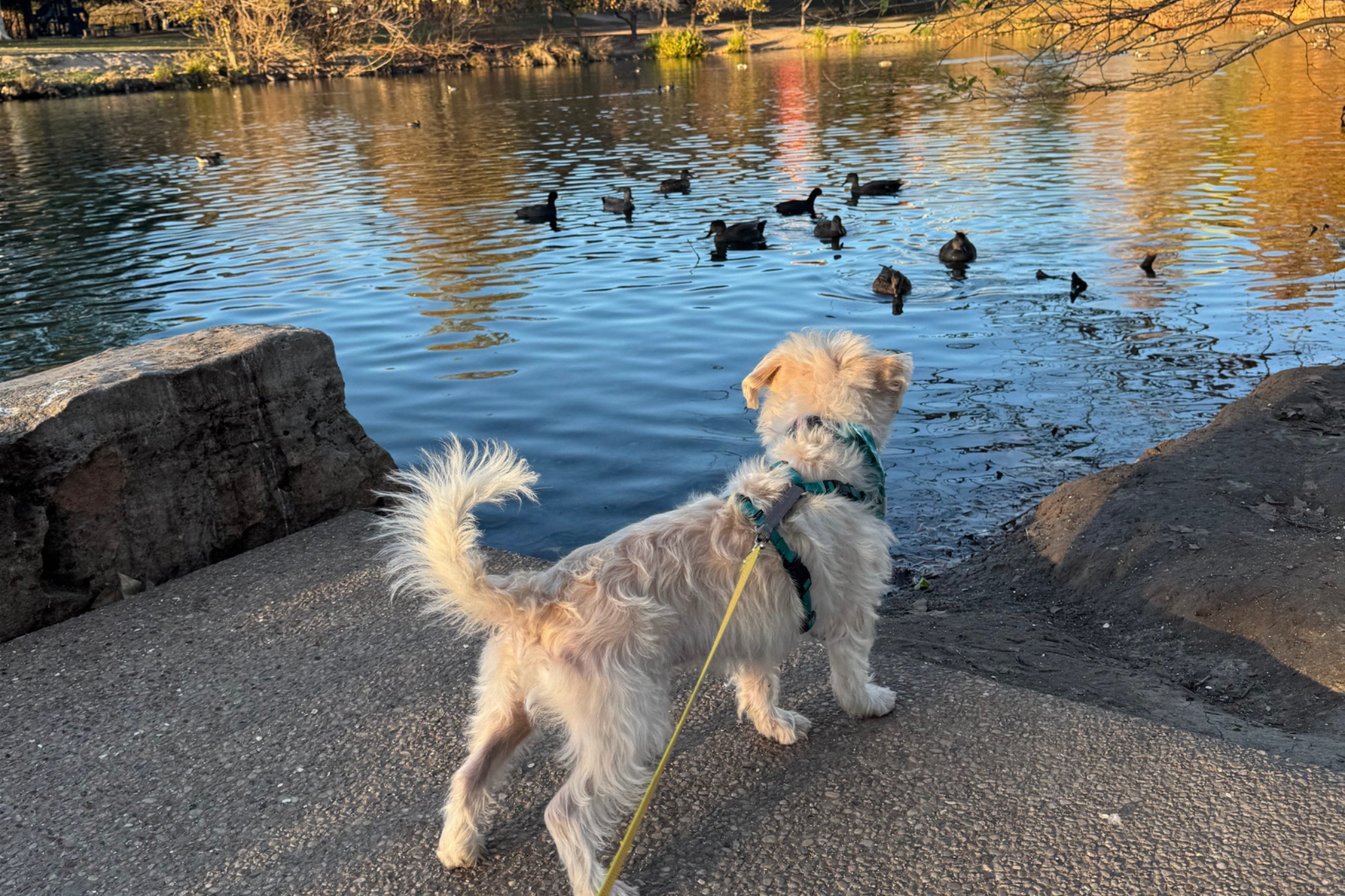
I totally understand - watching your dog sprint through a field or splash in the water looks like a great time. But for nesting birds, turtles, ducks, and other wildlife, an approaching dog can be stressful or even dangerous.
Keep your dog leashed in designated leash areas, especially near the lake, wetlands, and nesting sites. And as tempting as it may be, don't let them chase ducks into the water.
DON'T Let Your Cat Roam Outdoors
Cats are beloved family members, but they're also highly effective predators. A recent study by the Smithsonian Institution and the US Fish and Wildlife Service estimated that domestic cats kill about 2.4 billion birds and 12.3 billion small mammals each year in the lower forty-eight states.
Keeping cats indoors helps protect local bird populations while also keeping your feline safer from cars, disease, predators, and extreme weather. It's one of the simplest ways to support urban wildlife.
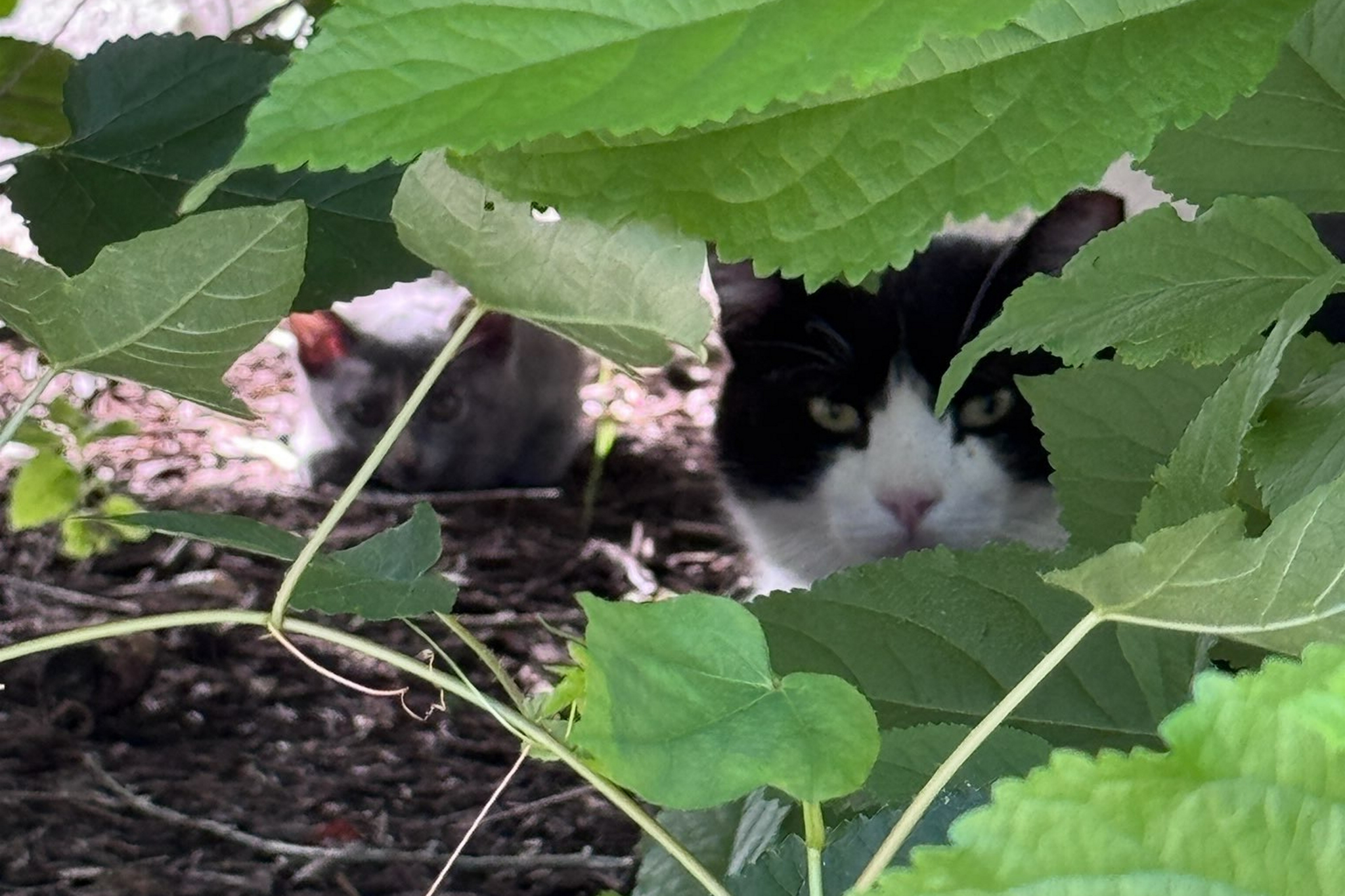
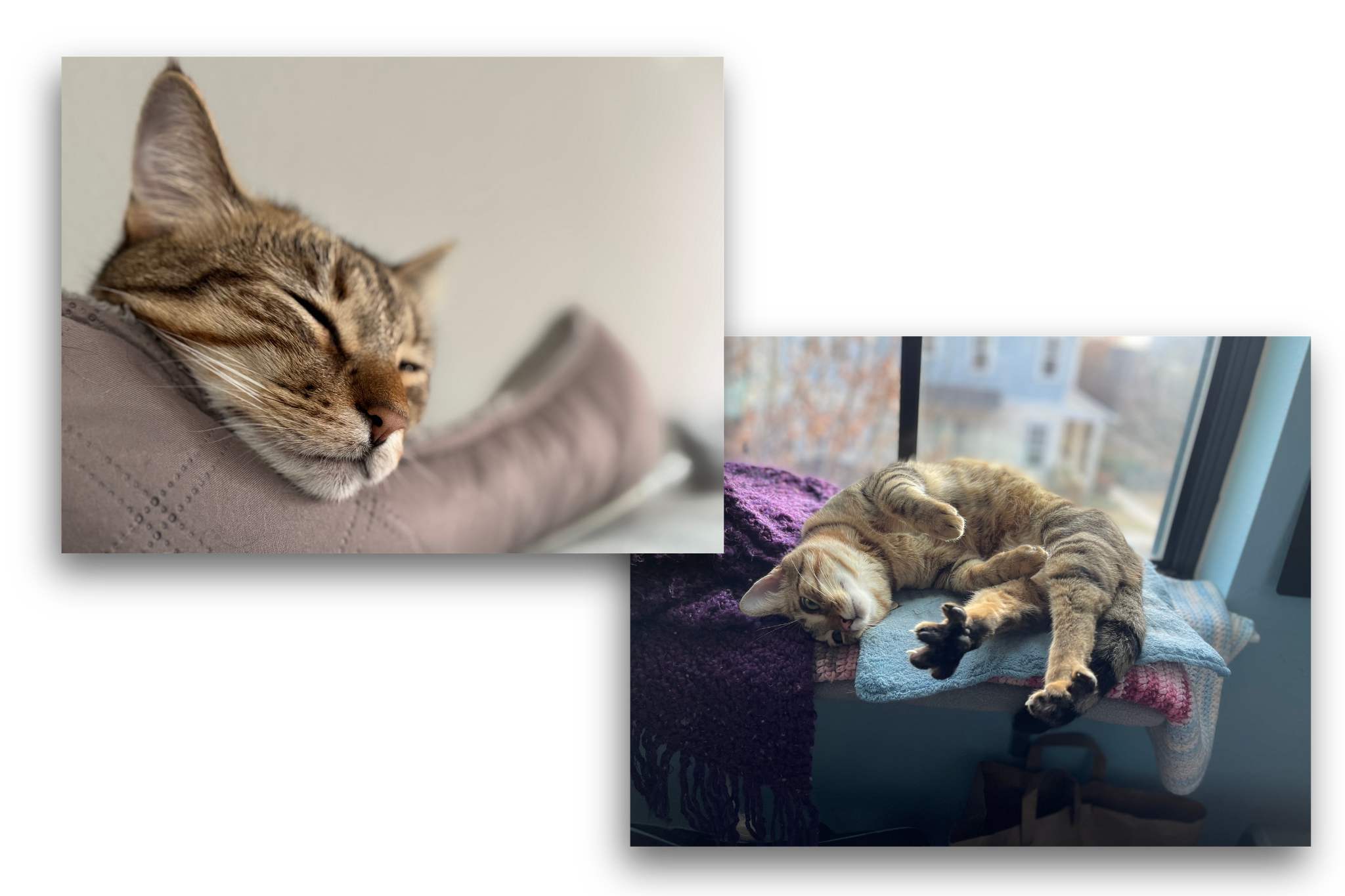
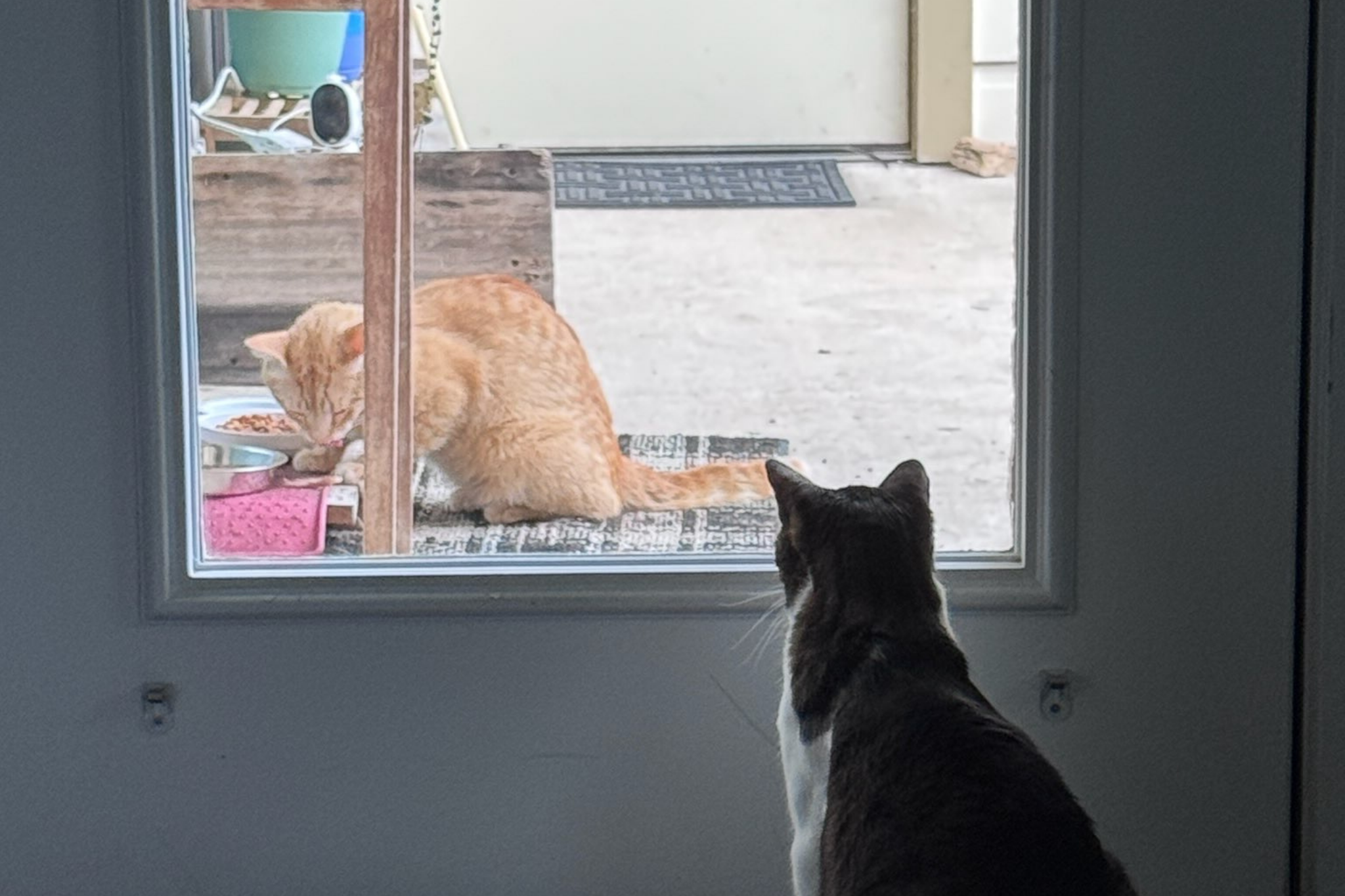
You may have also noticed that Mueller has its fair share of feral cats. You should absolutely treat them as wild animals - ones that might not play nicely with your beloved pet cat. While most keep a healthy distance from humans and other animals, they will try to protect themselves if they feel threatened. If you see a feral cat, please contact Austin Animal Services, Austin Wildlife Rescue, or heck, you can even reach out to me! I've personally humanely T&R'ed (Trapped & Released) several feral cats from Branch Park and around the neighborhood. If you catch them young enough, cats can often be domesticated. I can personally attest to that! Cat tax below:
DO Plant Native & Pollinator-Friendly Gardens
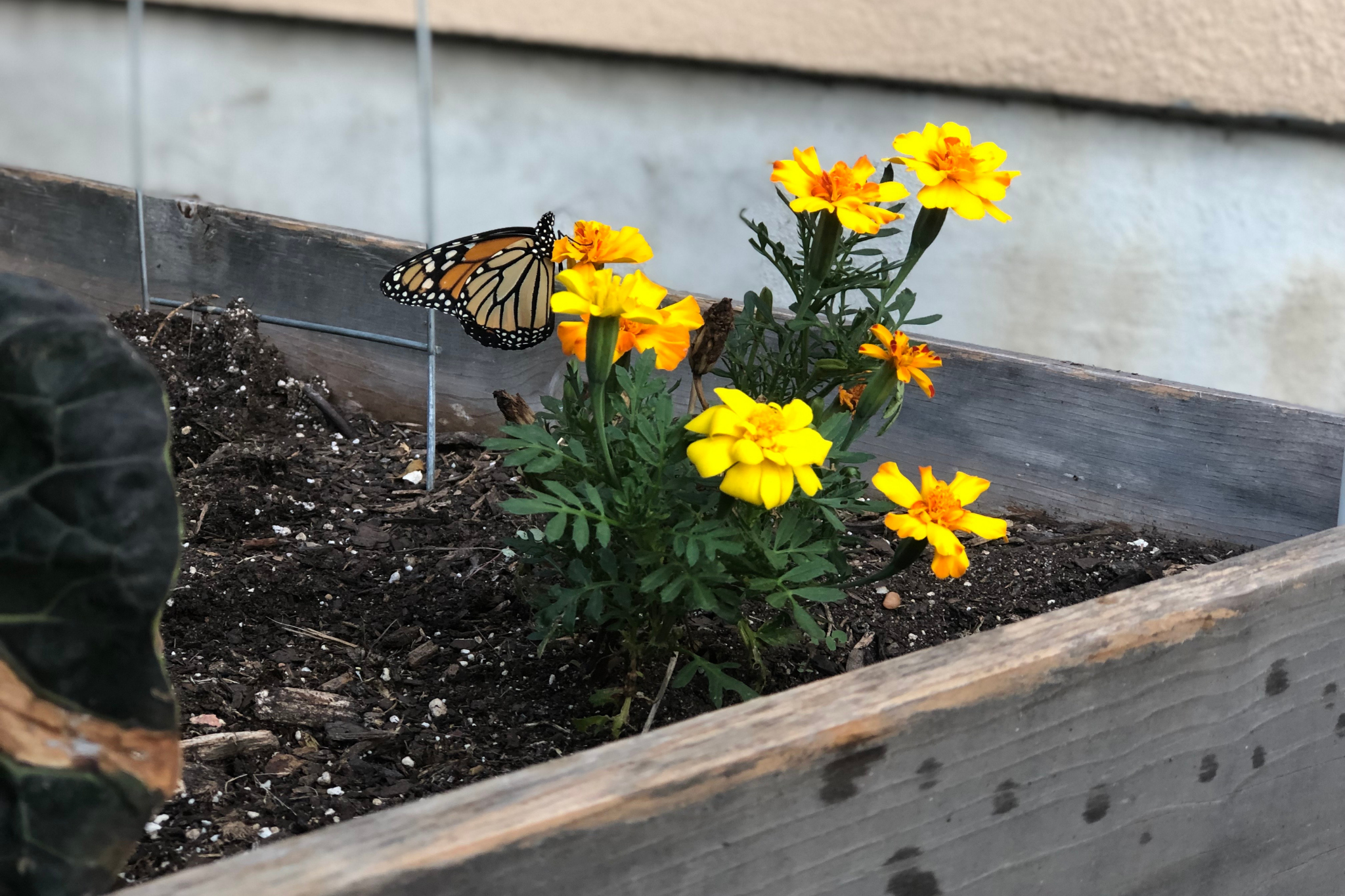
One of the best things you can do for local wildlife starts in your own yard.
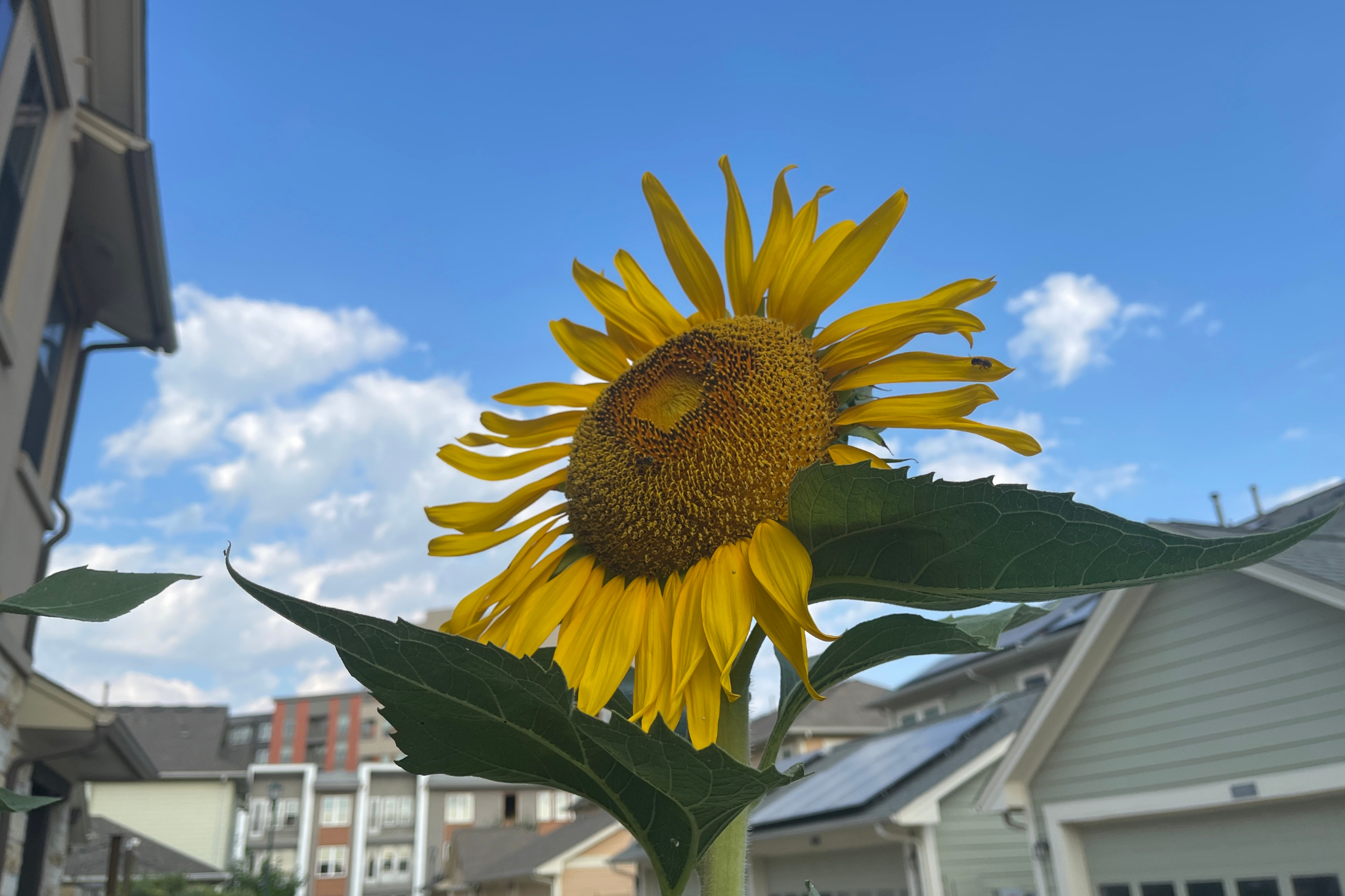
Native Texas plants provide food and shelter for butterflies, bees, birds, and other beneficial species. Consider adding plants like Turk's Cap, Flame Acanthus, Blackfoot Daisy, Gregg's Mistflower, or native milkweed to support pollinators throughout the year.
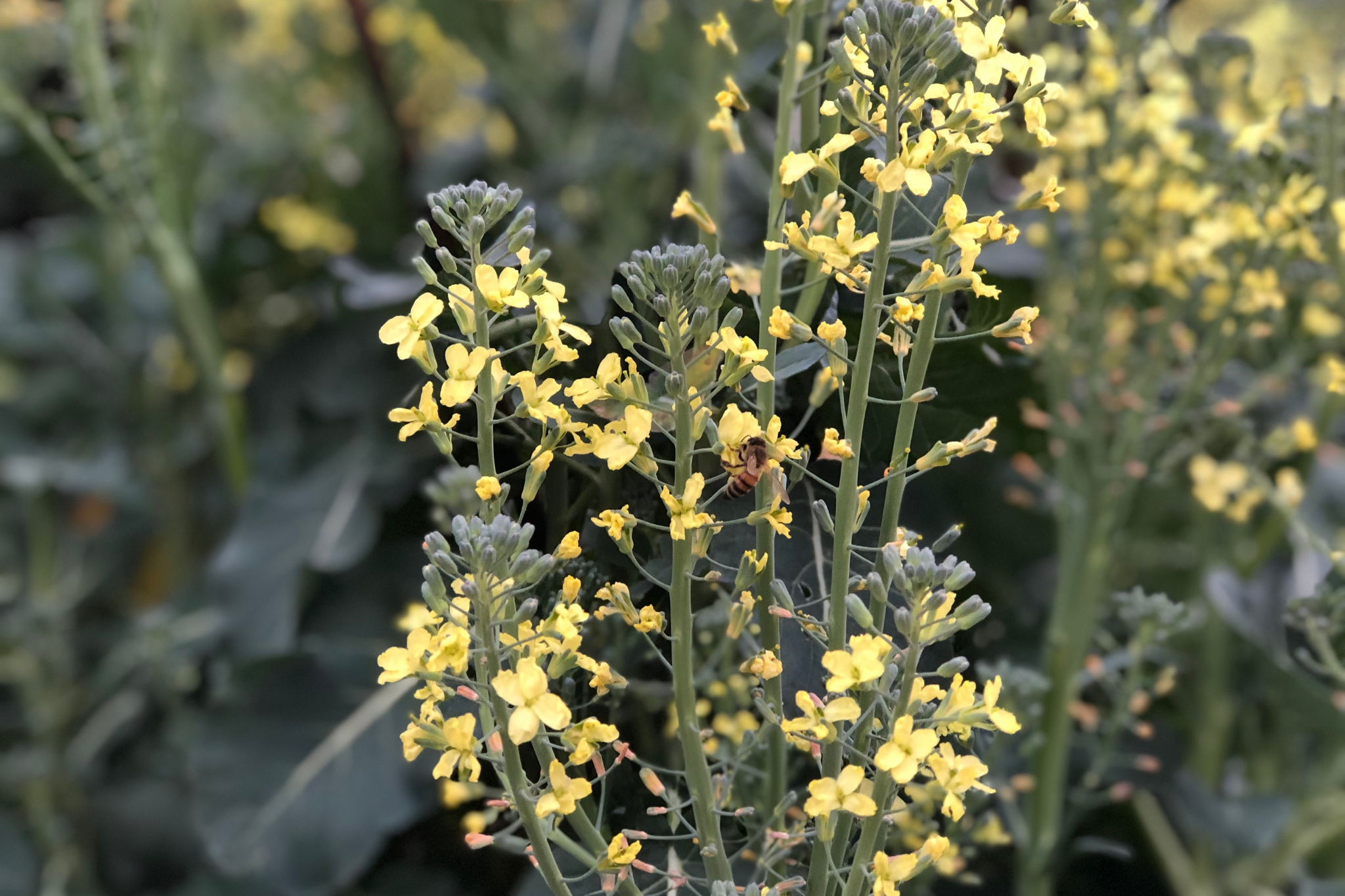
DON'T Reach for Harsh Chemicals First
Many common pesticides and herbicides don't just affect pests—they can also harm pollinators, birds, pets, and beneficial insects.
Instead, try natural approaches like hand-pulling weeds, encouraging beneficial insects, using mulch to suppress unwanted growth, or treating specific problems rather than applying chemicals broadly.
DO Fish Responsibly
Did you know you can fish in the lake at Girard Kinney Park? Same goes for the Southeast and Southwest Greenways.
Fishing is catch-and-release only, and you'll still need a valid Texas fishing license. Most importantly, be sure to pack out any fishing line, hooks, or tackle. Discarded fishing line can seriously injure birds, turtles, and other wildlife.
DON'T Feed Wildlife Just Because They're Cute
Most wildlife does best when left wild.
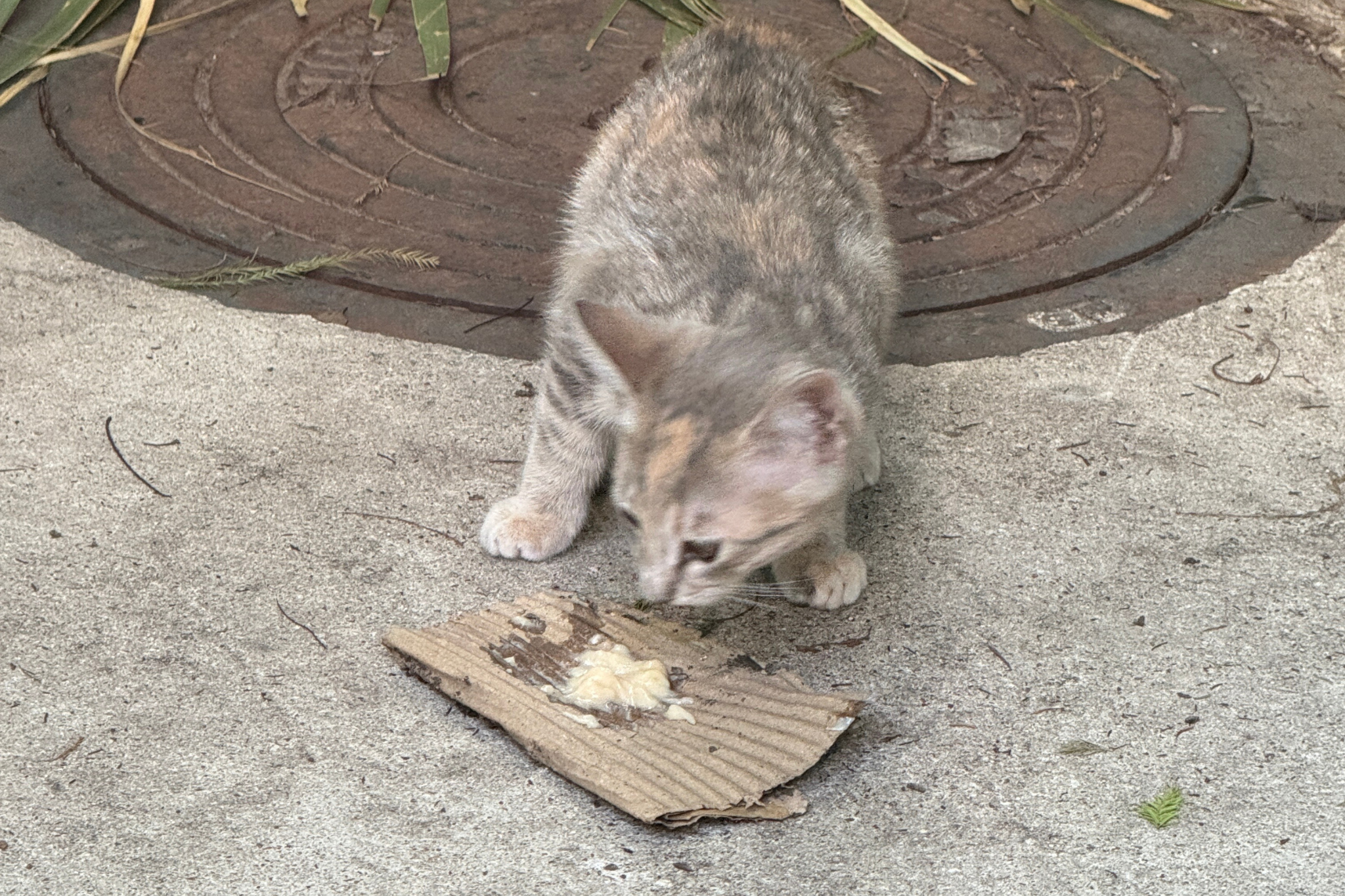
Human food can cause health problems for animals and may encourage them to become dependent on people. If you choose to feed wildlife, make sure what you're offering is appropriate for that species and offered responsibly.
DO Pick Up After Your Dog
Dog waste isn't just unpleasant, it's a source of bacteria and excess nutrients that can wash into waterways and impact local ecosystems.
Always pick up after your pup and dispose of waste properly. Your neighbors (and the ducks) will thank you.
DON'T Leave Litter Behind
Whether it's a snack wrapper, a drink cup, or a forgotten plastic bag, litter can quickly become a hazard for wildlife.
Animals can become entangled in trash or mistake it for food. When enjoying Mueller's parks and trails, leave the space better than you found it.
DO Know Who to Call When Wildlife Needs Help
If you encounter injured, orphaned, or distressed wildlife, resist the urge to intervene yourself.
Instead, contact Austin 3-1-1 or Austin Wildlife Rescue for guidance. They can help determine the best course of action and connect animals with licensed rehabilitators when needed.
DON'T Let the Grackles Win
Look, I'm not saying you'll always be successful.
But if you're enjoying lunch by the lake, keep an eye on your chips, tacos, and sandwiches. Mueller's grackles have spent years perfecting the art of opportunistic dining, and they are very good at their jobs.
A little vigilance goes a long way.
Sharing Our Habitat
One of the things that makes Mueller special is that nature is woven into everyday life. A walk around the lake might include turtles sunning on logs, dragonflies zipping across the water, ducks paddling along the shoreline, and a hawk soaring overhead.
By making a few thoughtful choices, we can help ensure Mueller remains a welcoming place for both our human neighbors and the wildlife that share it with us.