
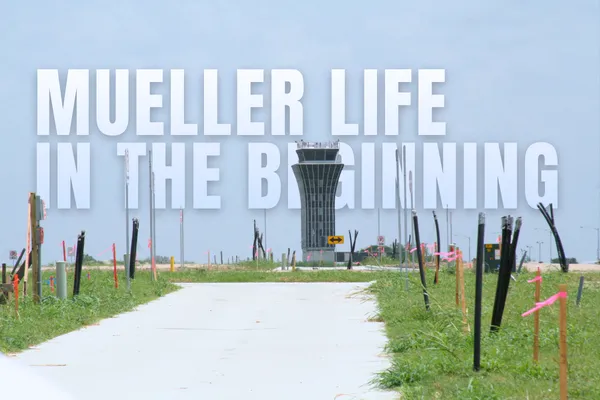
Life As a Mueller Pioneer
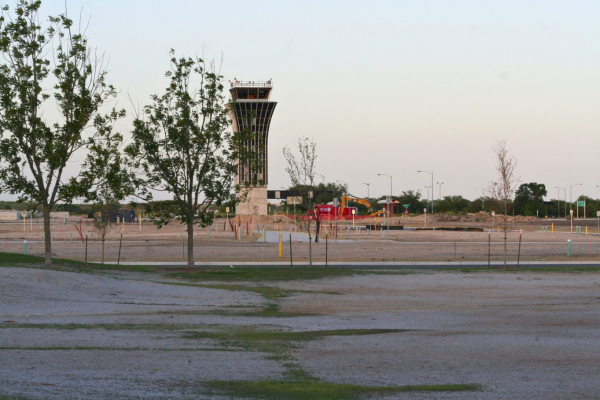
Come with me, if you will, on a quick stroll down memory lane…
The year is 2007. A friend I worked with - shoutout to Steve! - had one of the original illustrations of the Mueller development hanging on his wall and told me I should look into it. At the time, I was living near South Congress and Oltorf and crossing the river every day for work. I was ready for something different. After diving into all the information on this development that I could, I quickly found myself applying for and “winning” a spot in the home lottery.
Fast forward a few months - February 2008 to be precise. I made the move from my condo into my first true home in the nascent Mueller neighborhood.
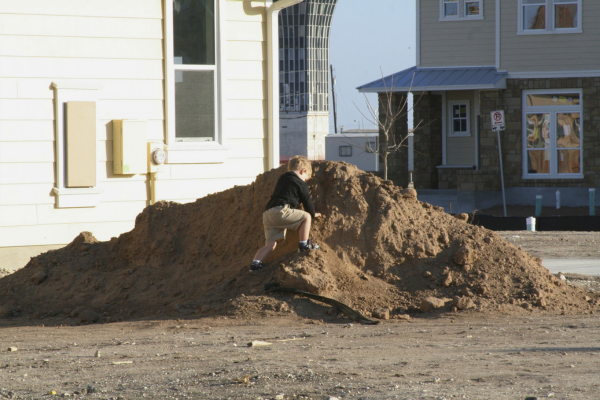
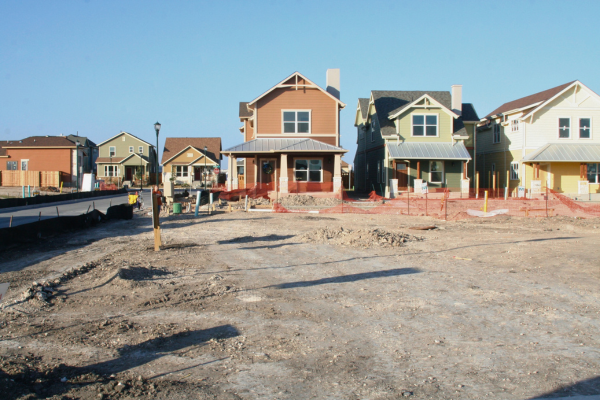
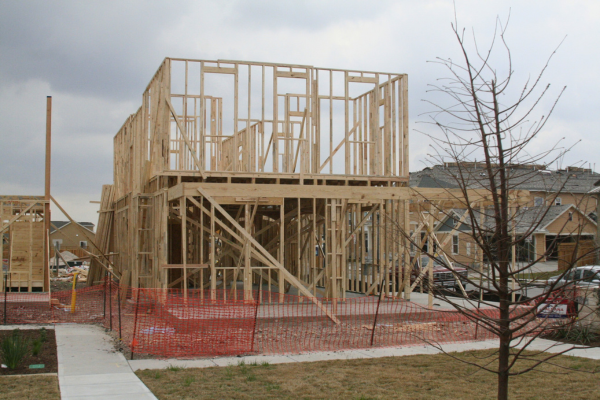
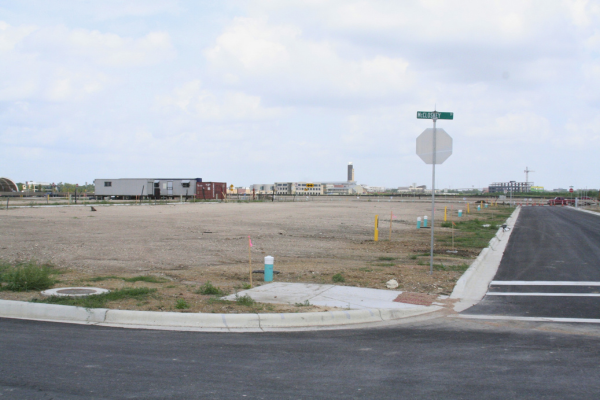
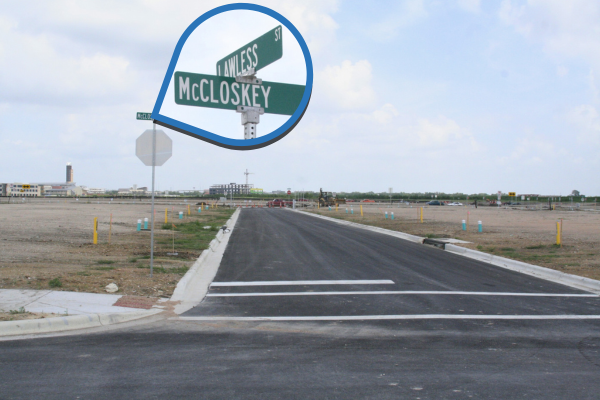
Well, maybe calling it a neighborhood then was almost a little generous. There were empty streets. There were giant piles of dirt where future sections of Mueller would eventually be built. When I moved into my house on Lawless, the street behind us didn't even exist yet.
But thanks in part to Steve’s illustrations I knew there was a plan.
Buying a House by Lottery
Demand for those first Mueller homes was high enough that prospective buyers entered a lottery for the opportunity to buy one.
You had to choose a builder and be prequalified by that builder's lender before putting your name in. Then, as homes became available, they worked their way down the list.
I chose Meritage because it was the builder offering a detached home I thought I could afford. I was number 17.
When my number came up, I bought the house.
Looking back, it's funny to think about how much of Mueller we were buying on faith. There were plans and illustrations showing what the neighborhood would eventually become, but much of it wasn't there yet.
We were basically a little pocket of houses surrounded by construction.
Early Mueller Felt a Little Like Freshman Year
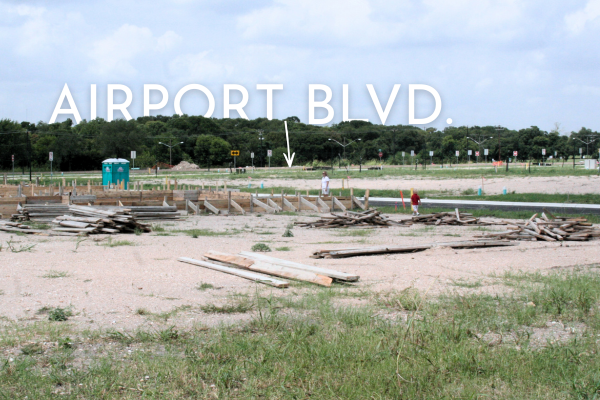
The people who moved in during those first years got close very quickly. We called ourselves “pioneers”, as we were forging a new community together. It was a really cool time.
I've always compared it to going away to college your freshman year. You meet everybody in the dorm because everybody is new at the same time.
That was early Mueller.
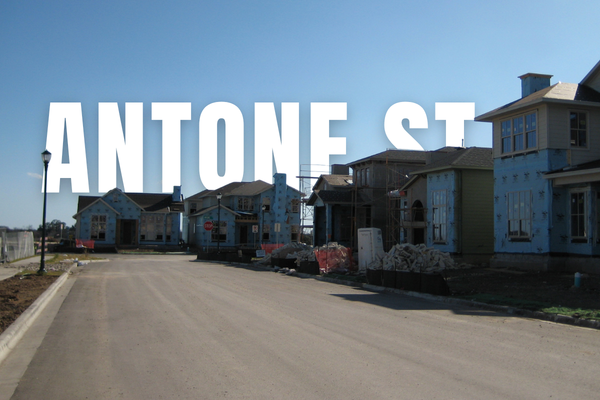
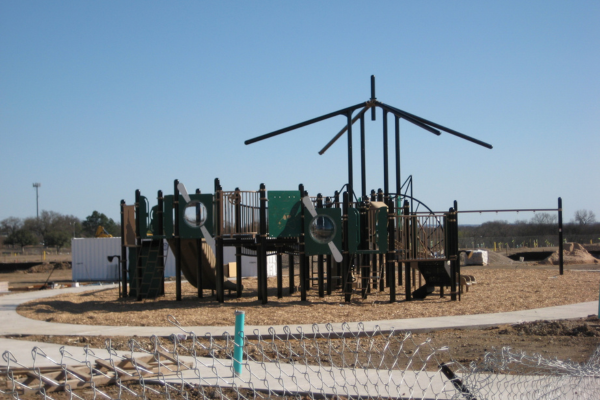
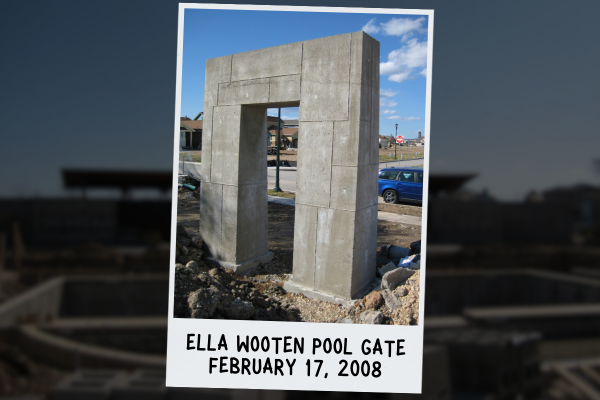
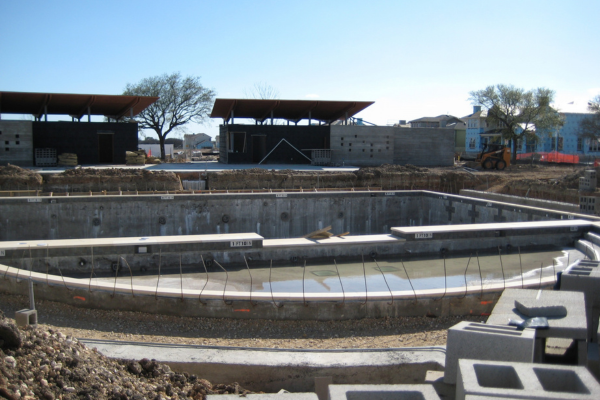
There were block parties. We'd sit outside after work and drink wine at the Wedge, the little pocket park at Antone and Simond. People set up tables and chairs in alleys. Ella Wooten Park became another gathering place.
There were so many young kids growing up together that the neighbors even created their own babysitting currency. Families traded homemade 30-minute babysitting bills with one another. My eventual husband, Mike, who I met at a neighbor supper club, became "Uncle Mike" to a lot of those kids and accumulated plenty of babysitting duties.
We were there for each other. If something went wrong, your neighbors were right there.
Not long after I moved in, a hailstorm broke one of my windows. I was living alone and went outside with no idea what I was supposed to do. Two of my neighbors were outside and basically told me, "Kathy, go inside. Call your insurance company. It'll be fine."
There was always a neighbor willing to help. It was truly a community more than a neighborhood.
If We Wanted Something, We Let People Know
There weren't many places to go within Mueller yet, so residents became pretty invested in what would open next. And occasionally, we tried to help things along.
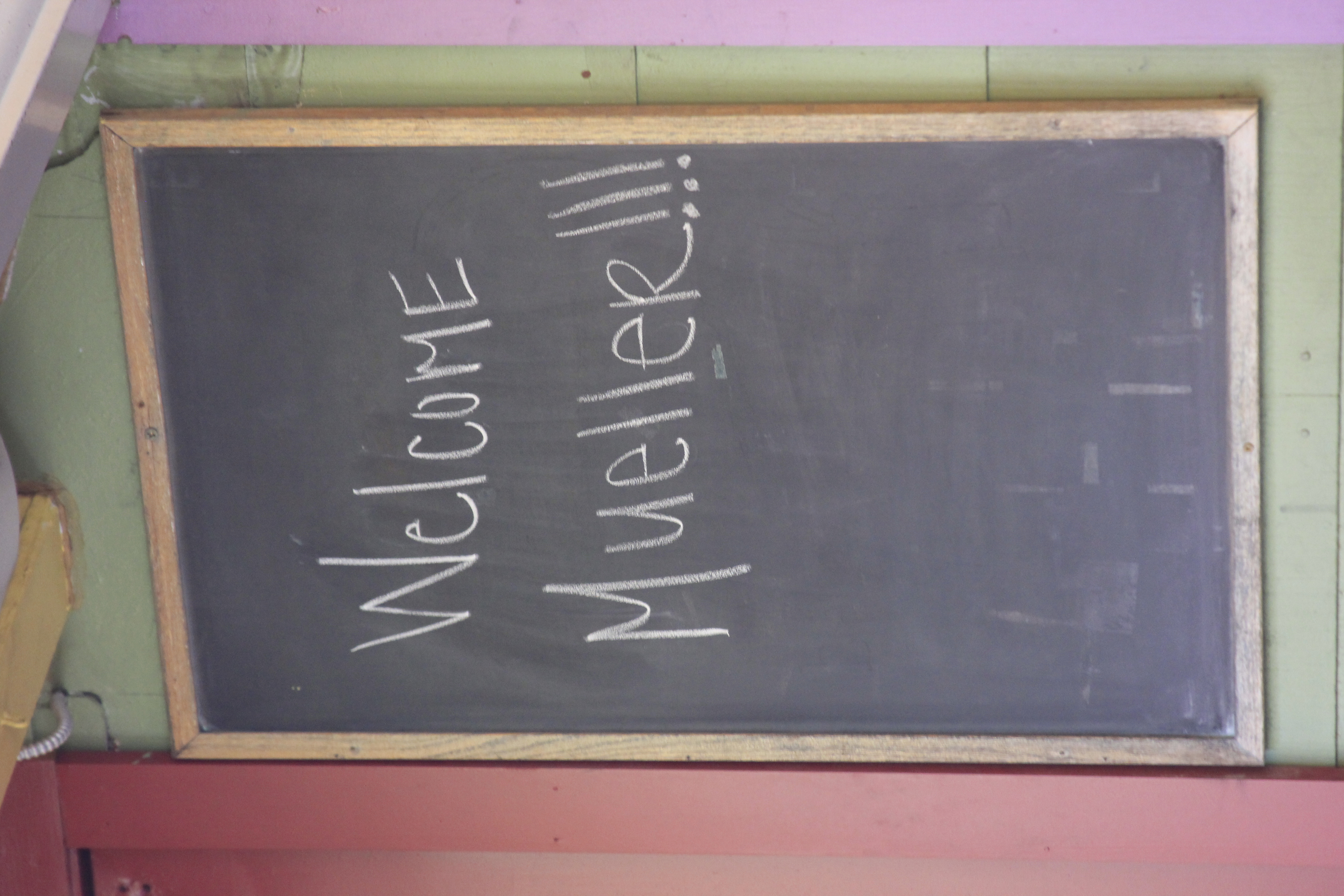
Kerbey Lane was one of the businesses people really wanted in Mueller. The developer regularly surveyed residents about what they wanted, particularly as plans for locally owned businesses around Aldrich Street developed, and Kerbey Lane kept coming up.
Eventually, some neighbors decided to make our case a little more directly.
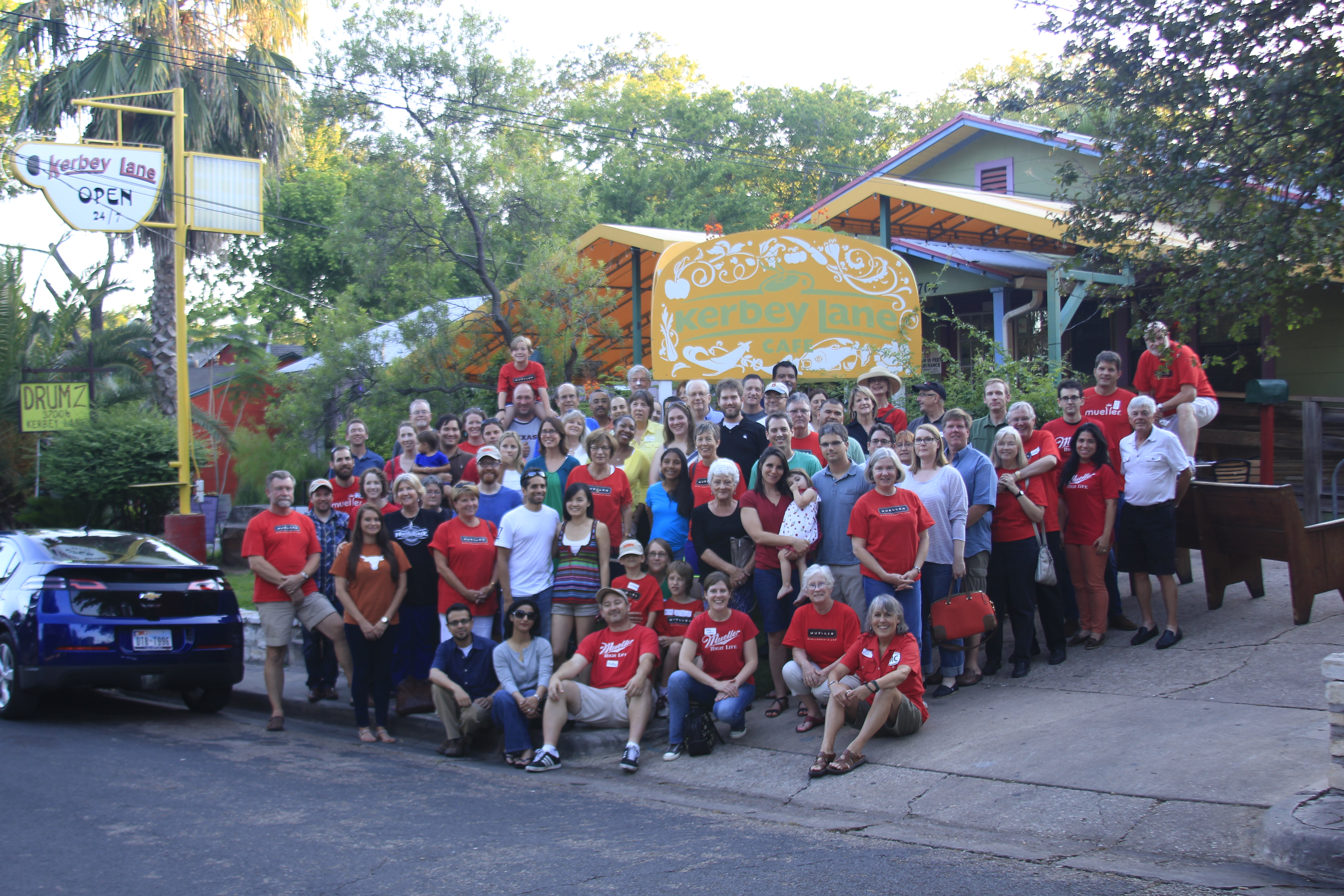
The neighborhood organized what we called a "sit-in" at the original Kerbey Lane. Dave Neider helped spearhead it and handed out flyers at the farmers' market telling everybody when to go.
We warned the restaurant ahead of time because it was a Tuesday and we didn't actually want to overwhelm them. But we did want to make a statement. So a bunch of Mueller neighbors went to Kerbey Lane together and made it very clear: we would really like you to open one of these in our neighborhood.
We did something similar with Alamo Drafthouse.
Did our sit-ins personally convince these businesses to come to Mueller? I'm not taking credit for that. But early Mueller residents were not shy about telling people what we wanted.
Every New Opening Was an Event
One of the things I loved most about those years was that whenever something new opened, everybody went.
When Contigo opened, it felt like it belonged to us. Then other Austinites discovered it and we'd joke, "Who are these people? This is our place."
When L'Oca d'Oro was getting ready to open, they hosted a pig roast for the neighborhood.
And then there was H-E-B. We had wanted a grocery store for years. Before it opened, I got to tour the building while it was still empty, before there was any food on the shelves. I was chair of the neighborhood association at the time, and seeing it finally become real was incredible.
The Thinkery was another one.
It's strange to picture now because Aldrich Street has become such a recognizable part of Mueller, but when the Thinkery was built, there was basically nothing around it. It was this big red building surrounded by dirt.
There used to be huge mounds of dirt on the east side of Mueller because soil excavated from other parts of the development would get piled there until construction reached that area.
For years, you could literally watch the neighborhood moving toward them.
There Are Things I Miss About Tiny Mueller
I miss how easy it was to know everybody.
When we moved into our second Mueller home, it was in a more established section of the neighborhood. The neighbors weren't quite as likely to spontaneously sit in the alley together after work with a bottle of wine.
Of course, there's nothing stopping us from starting that again.
But there was something special about everybody being new together.
I also loved how excited we got about every little addition. You knew when something was opening. You went. Everybody else you knew went too.
There are also plenty of things I don't miss. Like living in the middle of one giant, ceaseless construction site. I mean, there’s still construction in Mueller, but not the entire neighborhood.
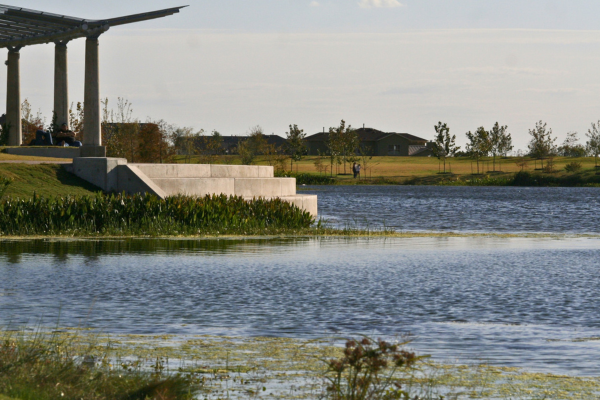
Today we have restaurants, businesses and parks throughout the neighborhood. The trail system is complete enough that you can actually follow it around Mueller. Most of what I need on an ordinary day or week is right here.
That was always part of the promise, we just had to wait for it.
Watching a Plan Become Home
When I moved here, I wasn't someone who spent much time thinking about urban planning or development.
I knew I wanted to live closer to work. I knew Mueller was supposed to become something interesting. I quickly learned that there were plans for affordable housing, not just gaudy boxes for wealthy people. From the jump, this neighborhood was built to be walkable… eventually. While much of the information was still a bit speculative, I knew this was an idea I was willing to take a chance on.
What I couldn't have predicted was the community that grew alongside the buildings.
Mueller today looks remarkably different from the place I moved into in 2008. There are thousands more people. There are more homes, more parks, more businesses, more restaurants and more reasons for people from outside the neighborhood to come here.
But some of my strongest memories aren't really about what got built.
They're about block parties. Wine at the Wedge. Homemade babysitting money. Neighbors helping after a hailstorm. A restaurant full of Mueller residents trying to convince Kerbey Lane that they should come join us.
We were waiting for a neighborhood to be built around us. Somewhere along the way, we became one.